

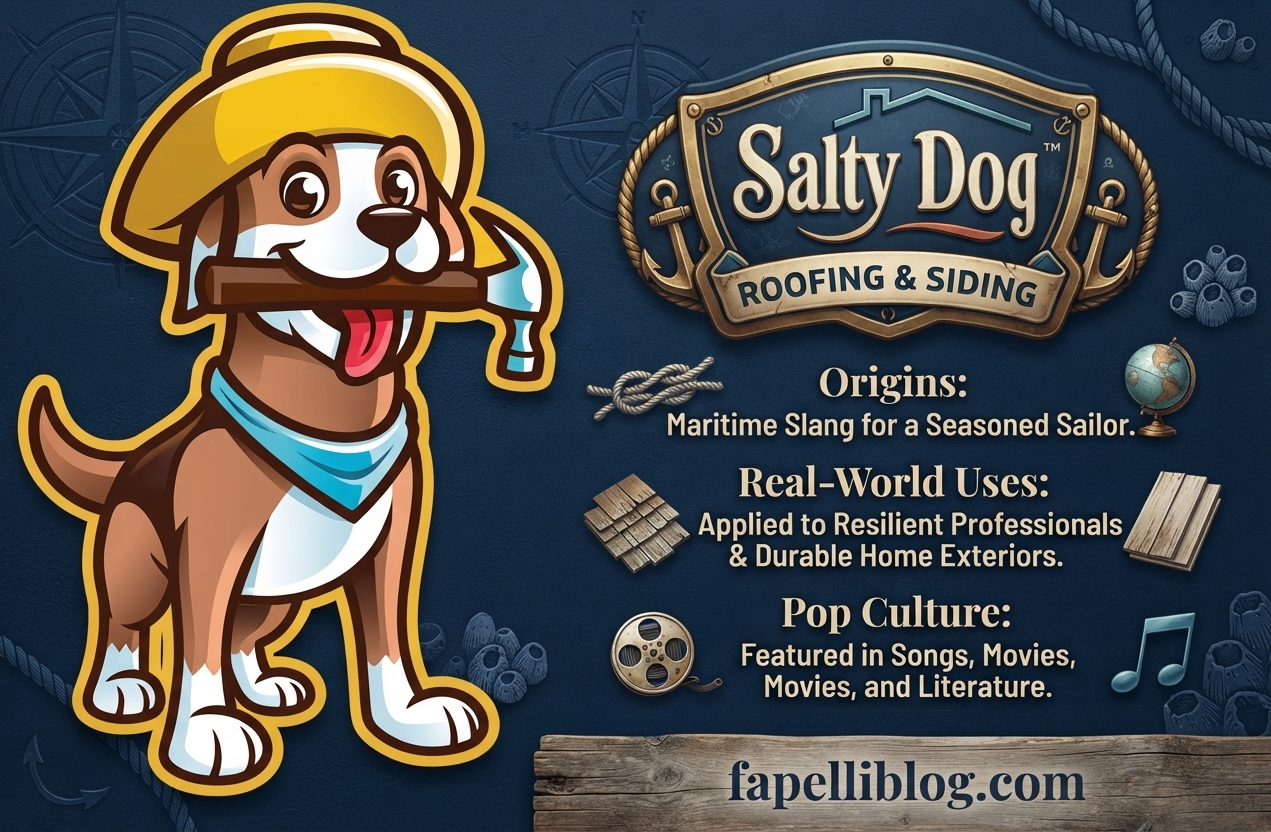
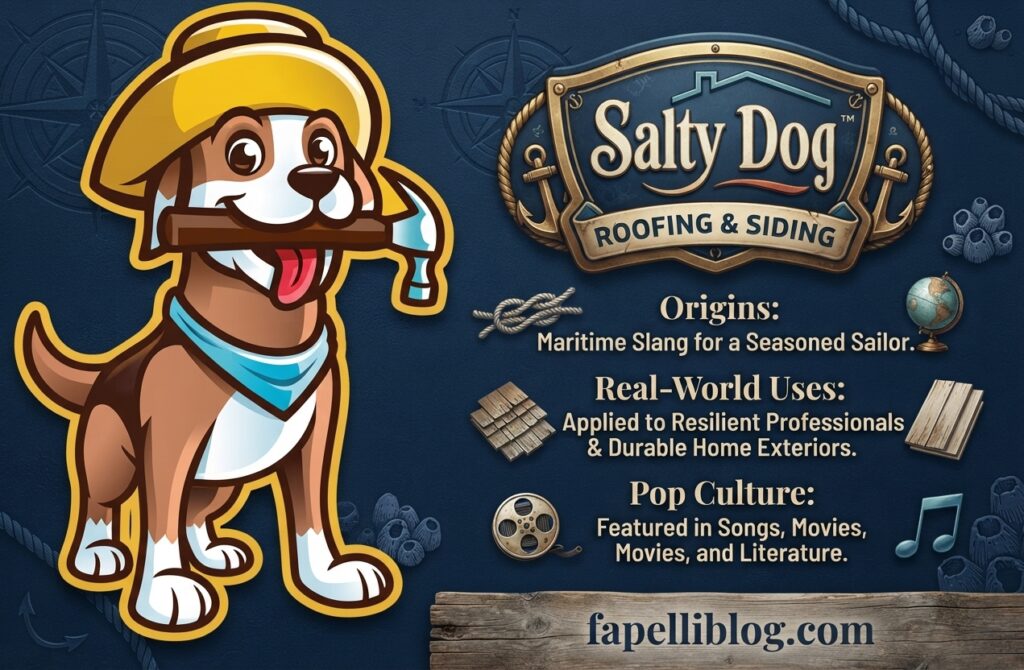
A “salty dog” Mean primarily refers to an experienced, tough sailor who has spent years at sea and developed a weathered, cynical, or rugged personality. In modern slang and mixology, it also describes a stubborn, street-smart individual, a classic grapefruit-and-gin cocktail, or a bold blues and folk music motif.
If you look up the literal definition in a dictionary, you’ll get a clean, one-line answer about mariners. But dictionary entries miss how people actually use the term today. Depending on who you’re talking to—a Navy veteran, a bartender, a music lover, or someone talking slang—the phrase shifts completely.
Here is the breakdown of what a salty dog actually means across every context, how to use it correctly, and why it holds such a unique place in popular culture.
Core Meaning: The Original Nautical Definition
At its roots, the term comes straight from naval tradition and maritime history.
A salty dog is a veteran mariner. We aren’t talking about someone who took a weekend cruise; we mean someone who has logged thousands of nautical miles, survived rough storms, and absorbed the literal salt of the ocean into their skin, gear, and attitude.
Key Characteristics of a Nautical Salty Dog
- Experienced and Capable: They know every knot, line, and routine on a ship.
- Gruff Exterior: They tend to be blunt, direct, and unbothered by small problems.
- Cynical or Weathered: Years of isolation and hard labor leave them with a sharp, dry sense of humor.
Example in a Sentence: “Don’t try to tell the Captain how to handle this storm; he’s an old salty dog who’s navigated these waters for forty years.”
Real-World & Slang Contexts: How People Use It Today
You don’t need to be in the middle of the Atlantic to hear the phrase. Over time, the term migrated from the deck of ships into everyday English. You May Also Like to read about Adjectives that start with v in English…
1. A Rugged or Unshakable Individual
In casual conversation, calling someone a salty dog means they are tough, street-smart, and battle-tested. They’ve experienced enough life lessons that nothing startles them.
2. A Fiesty or Short-Tempered Person
Because “salty” in modern slang means annoyed, bitter, or upset, some people use “salty dog” to describe a friend or colleague who gets easily irritated or holds a grudge.
3. The Classic Cocktail
In the world of mixology, a Salty Dog is a popular classic cocktail. It consists of gin (or vodka) and fresh grapefruit juice, served in a glass with a heavily salted rim.
That’s not a glitch—the salted rim is crucial. Without the salt, the exact same drink is called a Greyhound. The salt balances the sour bitterness of the grapefruit.
Cultural & Pop-Culture Connections
The phrase carries a long, rich history across American music, geography, and regional culture.
- Blues and Folk Music: The phrase is deeply tied to early 20th-century American music. Blues classics like “Salty Dog Blues” (recorded by Papa Charlie Jackson in 1924, and later popularized by Flatt & Scruggs) used “salty dog” as sexual innuendo or a term of endearment for a lover or wild companion.
- Military & Naval Pride: In the US Navy and Coast Guard, being called a salty dog is a badge of honor. It separates green recruits (often called “plankowners” or “boot ensigns”) from seasoned crew members.
- Southern & Rural Slang: In parts of the American South, it can refer to a mischievous, rowdy, or unpredictable person.
Common Mistakes & Misunderstandings to Avoid
Here’s where most people get confused when encountering the term for the first time:
- Confusing it with a literal dog: Unless you are talking about a hound that fell off a dock, it almost never refers to a canine.
- Mixing up a Salty Dog and a Greyhound: Ordering a Salty Dog at a bar will get you a salted glass. If you dislike salt with citrus, ask for a Greyhound instead.
- Using it as an insult: While “salty” on its own can be mildly derogatory today (meaning “bitter”), calling an elder or veteran a “salty dog” is usually a sign of deep respect for their experience.
Quick Reference: Context & Entity Comparison
To quickly identify which meaning applies to your situation, use this breakdown:
| Context | Primary Meaning | Key Identifying Feature |
| Nautical / Military | Veteran sailor or sea captain | Weathered, highly experienced, gruff tone |
| Bar / Mixology | Grapefruit juice + Gin/Vodka | Salted rim on the glass |
| Modern Slang | Tough, stubborn, or irritated person | Used describing someone’s attitude |
| Music / Folklore | A wild lover, companion, or rogue | Featured in early Blues/Bluegrass songs |
Recommended Reads: Adjectives that start with v Letter!
1. The Nautical / Maritime Context (Veteran Sailor)
“The harbor master was a grizzled old salty dog who could predict a storm just by the shift in wind direction and the ache in his knees.”
- Meaning: A deeply experienced, weathered sailor or mariner who has spent decades at sea.
2. The Mixology / Bar Context (The Classic Cocktail)
“I’ll take a salty dog with gin—and make sure the bartender heavily coats the rim with coarse sea salt to cut through the grapefruit juice.”
- Meaning: A classic cocktail made with gin (or vodka) and fresh grapefruit juice served in a salted-rim glass.
3. The Modern Slang Context (Tough / Street-Smart Individual)
“Don’t expect the senior auditor to back down; she’s an absolute salty dog who has dealt with tricky corporate legal battles for thirty years.”
- Meaning: A stubborn, unshakable, or battle-tested person who takes zero nonsense and handles pressure easily.
4. The Blues / Folk Music Context (Wild Companion / Lover)
“The band kicked off their set with an energetic rendition of ‘Salty Dog Blues,’ singing about a wild, unpredictable partner down in New Orleans.”
- Meaning: A traditional folk/blues motif referring to a rowdy companion, rogue, or spirited lover.
5. The Casual / Irritated Persona Context (Feisty Attitude)
“Ever since he lost his fantasy football championship on a last-minute play, Dave has been acting like a bit of a salty dog all week.”
- Meaning: Someone acting noticeably bitter, annoyed, or holding a grudge over a minor setback.
